
PR-FECT CASTSTEEL ENGINEERING & VALVES
How to Choose the Right Valve for Industrial Use
Oct 20, 2025

How to Choose the Right Valve for Industrial Use

By PR-FECT VALVES

Choosing the Right Valve for Industrial Applications:

Selecting the right valve for industrial applications is one of the most crucial decisions in ensuring operational safety, efficiency, and longevity of the system. Industrial valves play a vital role in controlling the flow of liquids, gases, and slurries under varying conditions. The wrong choice can lead to leakage, system inefficiencies, and costly downtime. Here’s a detailed guide on the key factors to consider when choosing the ideal valve.


1. Understand the Application

Every industrial process has unique requirements. Before selecting a valve, clearly define the purpose and working conditions of the application.

  1. Fluid Type: The chemical composition, viscosity, and abrasiveness of the medium are critical. For instance, corrosive fluids like acids or brine require corrosion-resistant materials such as stainless steel or special alloys.
  2. Operating Pressure and Temperature: Valves must be rated to handle maximum system pressure and temperature. High-pressure steam systems or cryogenic applications demand specially engineered valves.
  3. Flow Requirements: Determine whether the valve needs to provide tight shut-off, throttling, or pressure regulation.

A deep understanding of these parameters ensures the valve performs efficiently and safely under actual operating conditions.


2. Select the Appropriate Valve Type

Each valve type is designed for specific functions. Choosing the right design ensures optimal flow control and system performance.

  1. Ball Valves: Ideal for quick on/off control and tight shut-off applications.
  2. Gate Valves: Commonly used for full flow or isolation applications where minimal pressure drop is required.
  3. Globe Valves: Suitable for precise throttling and flow regulation.
  4. Butterfly Valves: Lightweight, cost-effective options for large-diameter pipelines and low-pressure systems.
  5. Check Valves: Prevent backflow and protect equipment such as pumps and compressors.

Selecting the correct type helps optimize efficiency, prevent flow issues, and extend system life.


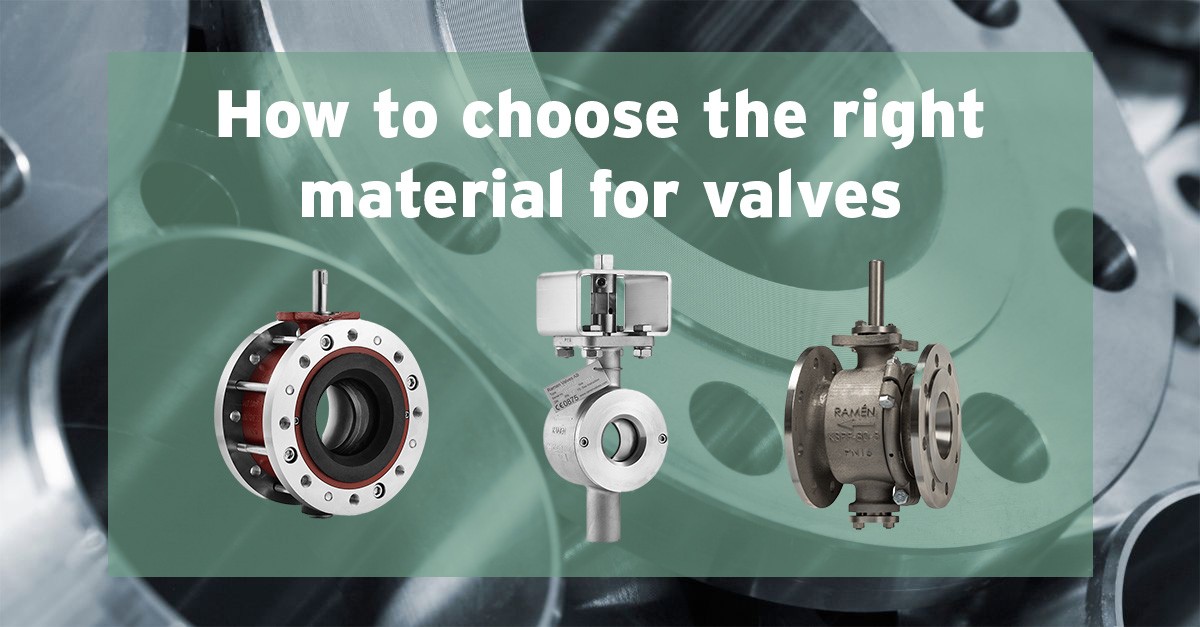
3. Material Selection

The material of the valve body, trim, and seals must be compatible with the fluid and environmental conditions.

  1. Cast Steel and Stainless Steel: Offer strength, durability, and corrosion resistance for high-temperature or high-pressure systems.
  2. Bronze and Brass: Common in water, oil, and gas applications due to their machinability and corrosion resistance.
  3. PVC and Other Plastics: Used in low-pressure, non-corrosive, and chemical-handling applications.

Inadequate material selection can lead to corrosion, leakage, or mechanical failure. Always ensure that the chosen material matches both the process media and external environmental factors.


4. Consider Safety and Compliance Standards

Industrial environments must meet stringent safety and quality regulations. Valves should comply with internationally recognized standards to ensure reliability and legal conformity.

  1. ISO 9001: Ensures quality management and manufacturing consistency.
  2. CE Marking: Confirms that the valve meets European safety and performance standards.
  3. ATEX Certification: Required for valves used in explosive or hazardous environments.

Using certified valves reduces operational risks and demonstrates a commitment to quality and safety.


5. Maintenance and Durability

Valves are critical components that must perform reliably over time. Selecting valves designed for easy maintenance and long service life helps minimize downtime and operational costs.

  1. Ease of Maintenance: Choose valves with replaceable seats, seals, and accessible internal components.
  2. Service Life: High-quality materials, precision manufacturing, and proper installation ensure extended lifespan and consistent performance.
  3. Preventive Maintenance: Regular inspection, lubrication, and testing further enhance reliability and prevent unexpected failures.

Long-term durability directly impacts overall system efficiency and cost-effectiveness.


Conclusion

Choosing the right valve is not just about matching specifications — it’s about ensuring safety, optimizing performance, and enhancing system reliability. By understanding the application, selecting the proper valve type and material, adhering to safety standards, and planning for maintenance, industries can achieve efficient and trouble-free operations for years to come.

← Back to Blogs